In today’s competitive business landscape, understanding your customers is more crucial than ever. This is where marketing analytics comes into play. By leveraging marketing analytics, you can transform vast amounts of data into actionable insights, guiding your decisions and enhancing your marketing strategies.
Understanding Marketing Analytics
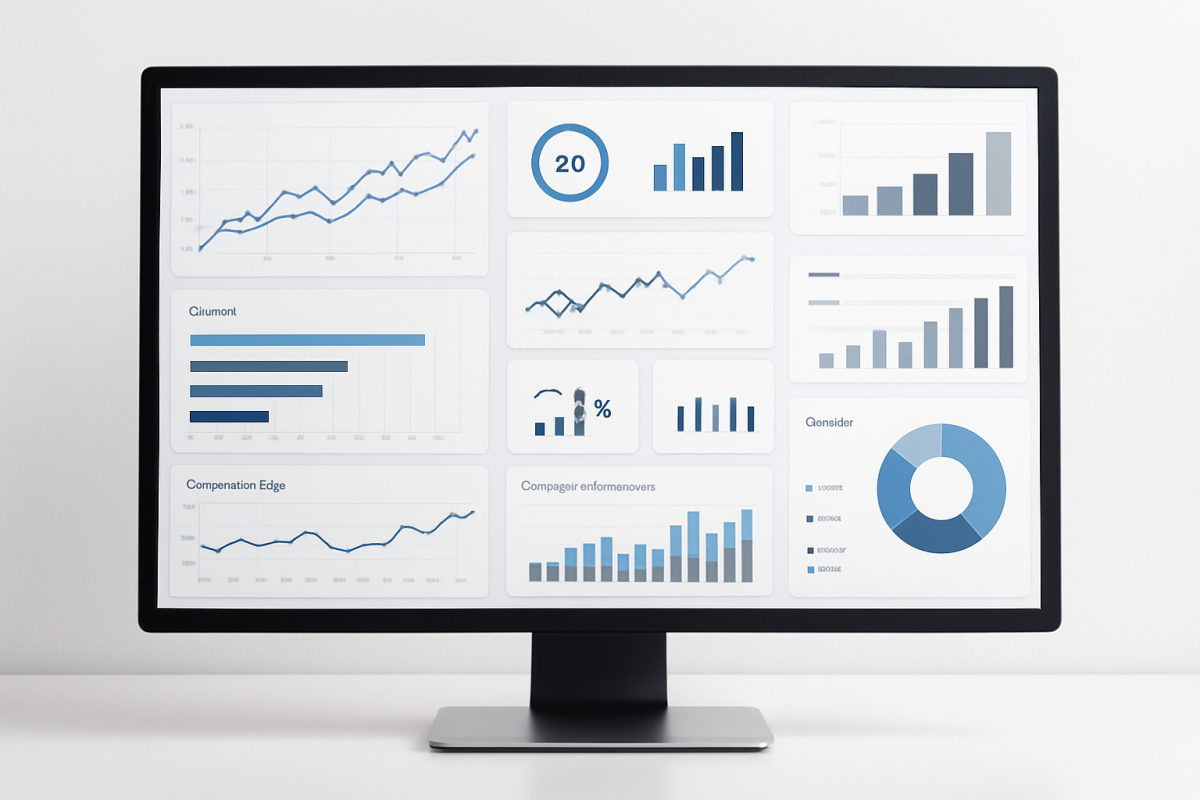
Marketing analytics is the practice of measuring, managing, and analyzing marketing performance to maximize effectiveness and optimize return on investment (ROI). It helps you track the performance of your marketing campaigns across different channels, from social media to email marketing.
Why It Matters
According to Statista, companies that adopt data-driven marketing are six times more likely to be profitable year-over-year. This statistic underscores the importance of incorporating analytics into your marketing strategy.
Key Components of Marketing Analytics
Effective marketing analytics involves several key components that work together to provide a comprehensive view of your marketing efforts.
Data Collection
Gathering data is the first step in marketing analytics. This can come from various sources such as website analytics, social media platforms, and customer feedback.
Data Analysis
Once data is collected, the next step is analysis. This involves interpreting the data to identify patterns and trends that can inform marketing strategies.
Metrics Evaluation
Evaluating metrics like conversion rates, click-through rates, and customer acquisition costs helps in determining the success of marketing campaigns.
Reporting
Finally, reporting allows you to communicate your findings to stakeholders, ensuring everyone is aligned on the marketing strategy and performance.
Tools for Marketing Analytics
There are numerous tools available to assist with marketing analytics, each offering unique features and insights.
- Google Analytics: A free tool that provides detailed insights into website traffic and user behavior.
- HubSpot: Offers a comprehensive suite of tools for inbound marketing, sales, and customer service.
- Tableau: A powerful data visualization tool that helps in creating interactive and shareable dashboards.
According to Forbes, businesses that utilize these tools effectively can see up to a 30% increase in marketing ROI.
Implementing Marketing Analytics in Your Business
To implement marketing analytics in your business, follow these steps:
- Define Your Goals: Start by identifying what you want to achieve with your marketing efforts, such as increased brand awareness or higher sales.
- Choose the Right Tools: Select the tools that best fit your business needs and budget.
- Collect and Analyze Data: Gather data from various sources and analyze it to gain insights into customer behavior and campaign performance.
- Adjust Your Strategies: Use the insights gained to refine your marketing strategies for better results.
Case Study: Success with Marketing Analytics
Consider the example of a small e-commerce business that used marketing analytics to boost its sales. By analyzing customer data, the business identified that a significant portion of its audience was interested in sustainability. They adjusted their marketing strategy to highlight eco-friendly products, resulting in a 20% increase in sales within three months, as reported by eMarketer.
Challenges in Marketing Analytics
While marketing analytics offers numerous benefits, it also comes with its challenges.
Data Overload
With so much data available, it can be overwhelming to determine which metrics are most important. Focusing on key performance indicators (KPIs) can help streamline this process.
Privacy Concerns
As data privacy regulations become stricter, businesses must ensure they comply with laws like GDPR and CCPA when collecting and analyzing customer data.
Future Trends in Marketing Analytics
As technology evolves, so too does the field of marketing analytics. Here are some trends to watch:
AI and Machine Learning
Artificial intelligence and machine learning are becoming integral to marketing analytics, offering predictive insights and automating data analysis processes.
Real-Time Analytics
Businesses are increasingly relying on real-time analytics to make immediate decisions and quickly adapt to market changes.
AI Traffic Secrets E-business & E-marketing/Affiliate Marketing

Frequently Asked Questions
What is marketing analytics and why is it important?
Marketing analytics involves measuring and analyzing marketing performance to optimize ROI. It’s crucial for data-driven decision-making and improving business strategies.
How can small businesses use marketing analytics?
Small businesses can use marketing analytics tools to track customer behavior, optimize campaigns, and improve sales strategies, leading to more efficient resource allocation.
What tools are best for marketing analytics?
Popular tools for marketing analytics include Google Analytics, HubSpot, and Tableau. These platforms offer insights into customer behavior, campaign performance, and more.
How does marketing analytics improve customer experience?
By understanding customer preferences and behaviors, businesses can personalize their marketing efforts, leading to improved customer satisfaction and loyalty.
What are the key components of marketing analytics?
Key components include data collection, data analysis, metrics evaluation, and reporting. These elements help in understanding and improving marketing strategies.
Conclusion
Incorporating marketing analytics into your business strategy is no longer optional—it’s a necessity. By understanding and utilizing the data at your disposal, you can make informed decisions that drive growth and enhance your marketing efforts. Start small, choose the right tools, and let data guide your success.
For more insights on digital marketing strategies, check out our guide on developing the best digital marketing strategy in 2024.
Pingback: Mastering Community Management: Strategies for Success - totalstaff.ca